story
telling

for me

?

for me ?

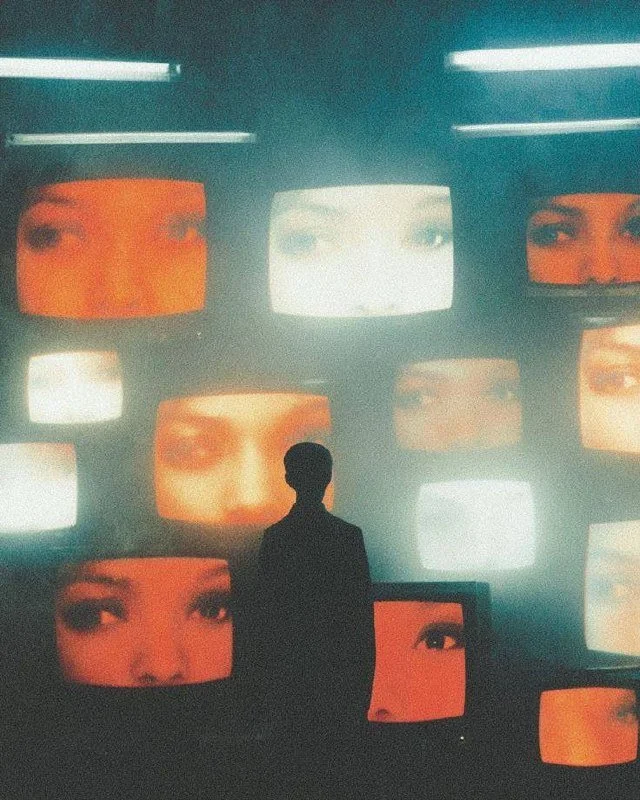
One of the most fascinating aspects of being a video editor is crafting a story. I love self-reflection and observing how cinema manages to visually capture the invisible. Pain from loss, unspeakable happiness, madness, despair, fear, and apathy—evoking these raw emotions and feelings through a screen is truly the art of our time. And it was this exact desire to turn the intangible into visual reality that became one of my main reasons for becoming a video editor.
An aesthetic edit hiding a narrative of guilt

and redemption — inspired by Dostoevsky's

"Crime and Punishment"

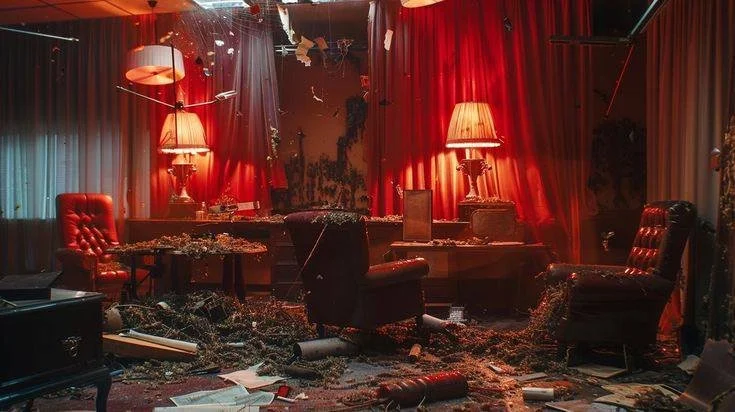
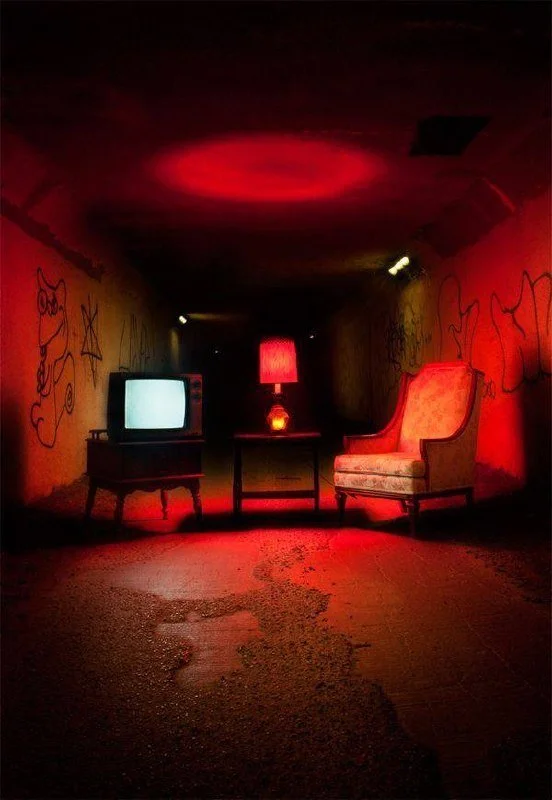
I translated a protagonist's internal torment into visual language: a crimson figure as guilt incarnate, a heartbeat that intensifies with every cut, and imagery of a bride in ruins symbolizing love turned prison. For me, editing is psychology in motion — the goal isn't visual appeal, it's the cold sweat of a guilty conscience.

I worked on a short-form edit exploring loss through visual metaphors and non-linear storytelling — using Ukrainian mythological codes, glitch effects, and color shifts to show how trauma fragments memory. A faint "Mama" in the background turns abstract frames into something deeply personal. Every element, from the wreath in the water to the final shot of a woman with her back to the camera, is intentional storytelling without dialogue.

 "Life Sucks"

    how to turn scattered stock footage

    into a cohesive philosophical narrative

Can a 20-second

video convey a story of tragedy without a single word?

I explored the cyclical nature of life — highs, lows, the inevitable end — through rhythmic editing, intentional footage curation, and color grading that works on a subconscious level. No original footage. Just editorial decisions that build a world from scratch.